Creative Industries: Skills and Training
20 July 2023


Kevin Brennan Labour, Cardiff West
Last night was the summer reception of UK Music, and I was there as chair of the all-party parliamentary group on music, along with the shadow Secretary of State and the Chair of the Culture, Media and Sport Select Committee. If Ministers had been able to come, they would have heard an appeal for more education in the creative sectors in our schools and for more support for our grassroots venues, which are the research and development of the creative industries, particularly the music industry, and which are suffering from a crisis at the moment. What more are the Government going to do to support education at that level so that skills and training in our creative industries can enable them to keep flourishing into the future?

Lucy Frazer The Secretary of State for Culture, Media and Sport
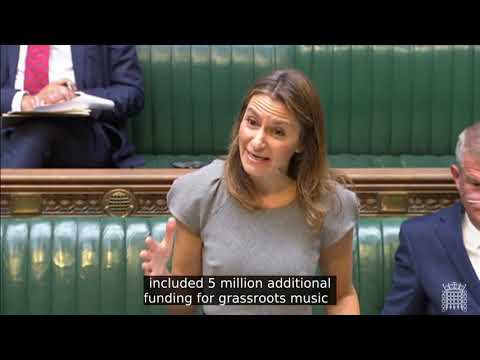
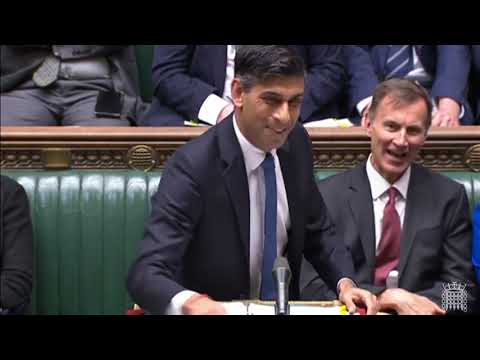
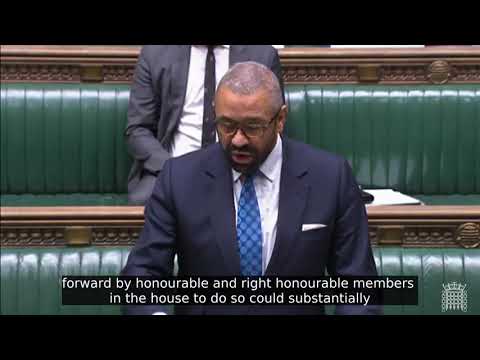
I hope the hon. Gentleman read the sector vision, which included £5 million in additional funding for grassroots music venues—something we discussed at the Select Committee. We, too, think it is important to have those creative subjects in school; that is why art, design and music are already in the national curriculum and remain compulsory in all maintained schools up to the age of 14. But that is not all we are doing. He mentioned music, which is incredibly important. That is why we have our new joint national plan for music education, including £25 million of funding for musical instruments and equipment for schools, and, as I mentioned, we had our first meeting of the cultural education panel, which is looking at how we can ensure we help young people to get more creativity both in and outside school to ensure we have that creative excellence.

Postal Votes
27 April 2023


Kevin Brennan Labour, Cardiff West
I think the Speaker’s Committee should have discussions about this issue. Has my hon. Friend seen some recent examples of Conservative party leaflets, where people are being encouraged to return postal vote applications to Tory headquarters rather than back to the local authority, and where millions of people are being disenfranchised through lack of voter ID? Leaflets have also gone out—in Norwich, for example—saying that people do not need ID to vote. Should not the Electoral Commission take the view that although such practices may technically be legal, they are in fact harmful to our democracy?

Cat Smith Labour, Lancaster and Fleetwood
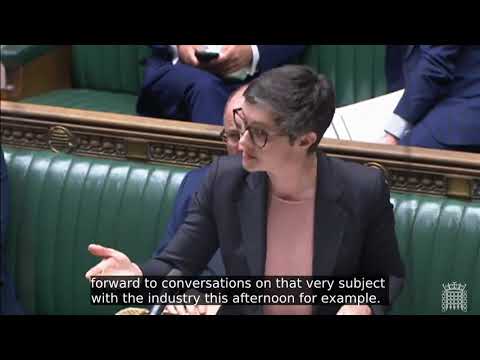
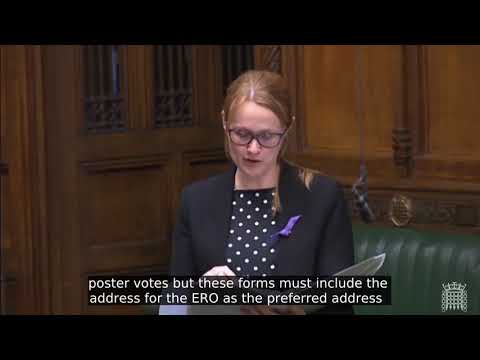
The code of conduct is of course voluntary, but the code of conduct for campaigners states that parties can provide applications for postal votes but the forms must include the address for the electoral registration officer as the preferred address, even if an alternative address is provided. Campaigners should send on any application forms they receive to the relevant address within two working days, and the commission recommends that any concerns that the code has been breached should be raised first with the candidate, political party or campaigner in question, and any further concerns should be drawn to the attention of the commission. The commission is aware of the Conservative party leaflet in Norwich and has had conversations with the party.

Instagram

Twitter

YouTube